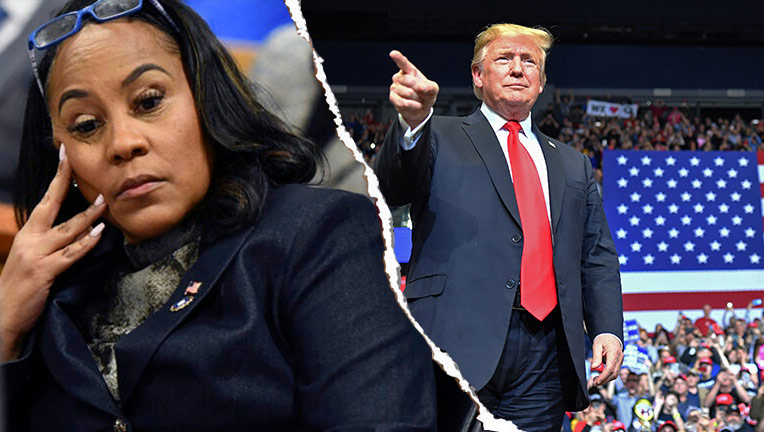
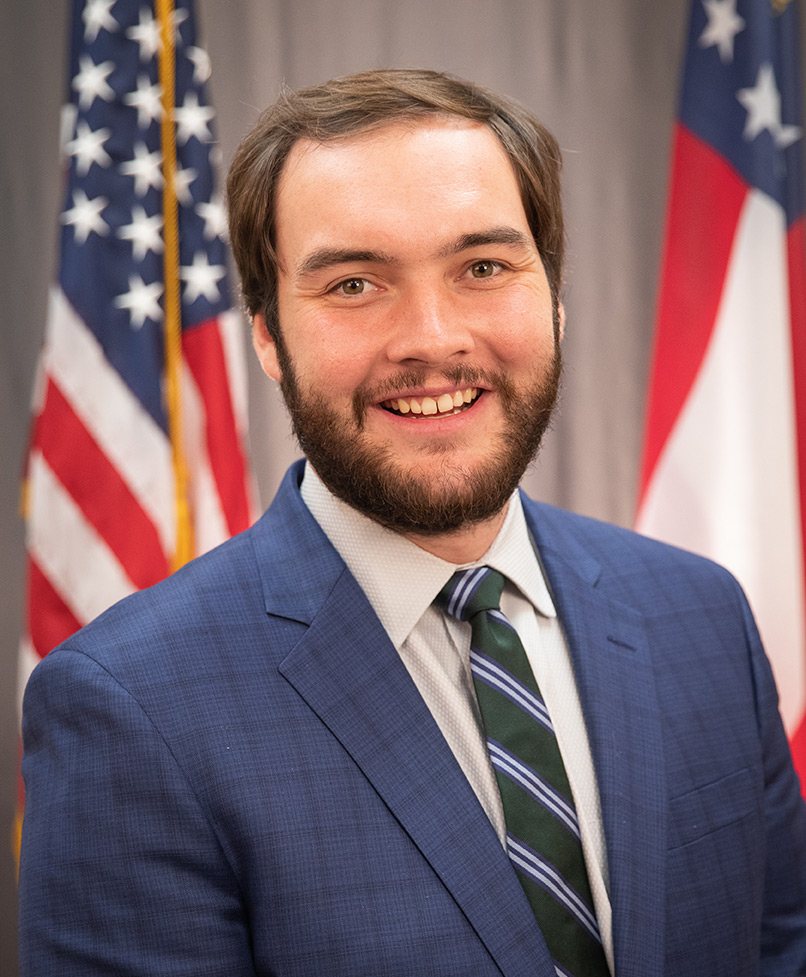
You may recall that our GRA-endorsed State Senator Colton Moore (R-53) was the only Senator calling for a special session to get rid of Fulton Democrat DA Fani Willis. He proposed a bill to change the RICO law to end the Fulton prosecutions. And as a reward for it, he was kicked out of the Republican caucus by our “Republican” politicians.
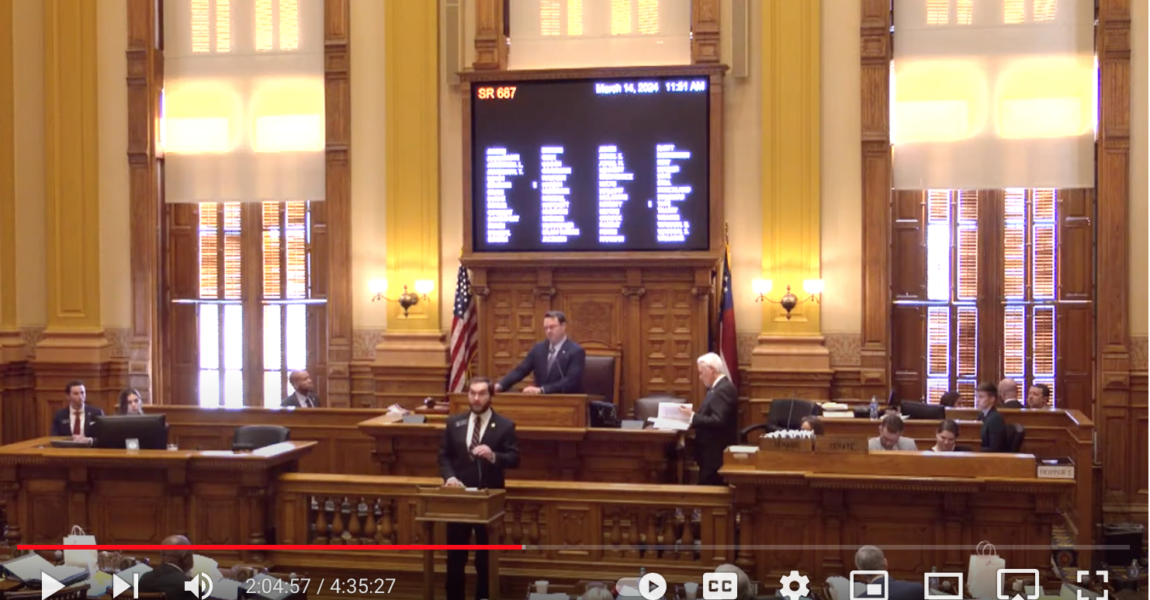
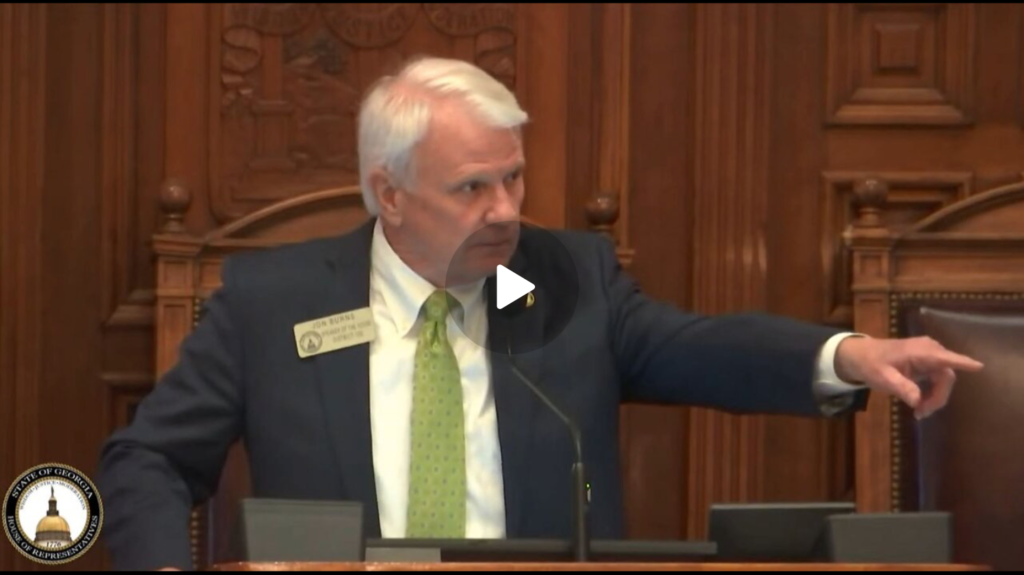
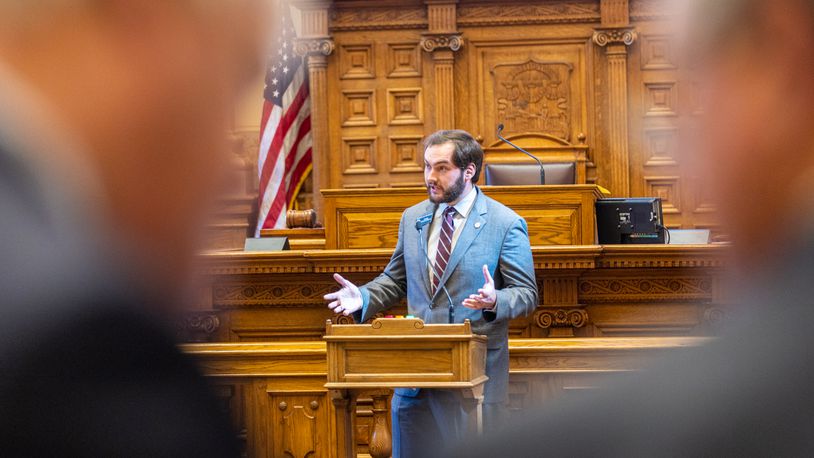
And just this week, on Legislative Day 35, during a debate to name a government building after the late Former House Speaker, David Ralston, Sen. Moore had this to say.
Note that Sen. Moore was pointing out information, and didn’t even delve into the anti-Republican tactics used throughout the years that were discussed in past Advance the GOP messages.
The response from the Establishment was, again, excessive.
Immediately leaked to the liberal media and banning him from the House floor with articles lacking details. And then the Establishment politicians, many of whom had previously feared Ralston, continue to hypocritically sing his praises.
And then the Establishment, throughout social media, push the shaming narrative that it wasn’t “the time and place” for a Senator to bring up the reasons to NOT name a government building after a politician, during the debate on naming the building after the politician.
I know you don’t want to be the problem. I didn’t want to be either. But the reason why the Establishment keeps doing this, and getting away with it, is because we don’t stand up. We don’t share this information.
We don’t have the time. Or we’re afraid it’ll offend our neighbors and friends. Or we’re afraid that all the politicians will come after us.
Don’t believe the lies and excuses from alleged “elected leaders,” the political prosecutions by Fani Willis of President Trump, former GAGOP Chairman David Shafer, and many others can be ended immediately. Not in years, not in months, but this week. But only with immediate action: take two minutes to make these crucial calls to ensure “Republican” officials fulfill their promises to voters and to the Republican Party.
Living in a “Republican” state, voters should be able to presume that those in elected office are going to act like Republicans. Sadly, the only way this is going to happen is by (1) you sharing this message with others and (2) taking a few simple actions to push your elected representatives to actually act like Republicans.
The first way to do this is by making sure this bill, S.B. 416, which we’re calling the “Stop Political Prosecutions Act,”gets passed. It is a simple bill that would change the RICO law in Georgia to immediately end the current Fani Willis prosecution of Trump and other Republicans here in Georgia.
No longer would the GAGOP be paying out tons of money in legal fees. This would put an end to politically motivated prosecutions in our state. It would be over. Immediately. Ending the stress and torture of past GAGOP Chairman David Shafer, President Trump, and all of the others.
This is so important that any elected official not signing on to this needs to get a primary challenger who can run a really simple campaign: “I would vote to end the prosecution of Republicans, and the incumbent failed to do so.”
Currently, the only two people currently showing themselves in the State Senate to be Republicans are GRA-endorsedSen. Colton Moore (for initiating this bill), and Sen. Brandon Beach for co-sponsoring it. Call them and thank them: they deserve praise for doing the right thing. All of the others? Not so much. But there’s still time for them to change their mind, which will only happen with your help.
Senator Brandon BeachSenator Colton Moore
First, please call the Senate Majority Leader Steve Gooch (cell: 706-300-6568) (as well as your own local representatives) and tell him that you want him to get S.B. 416, the “Stop Political Prosecutions Act,” passed immediately. Be respectful. But be firm. He works for you. The legislature has the authority to do this, as they are the legislative branch of government, and they write the laws that govern the judicial system. And the bill would undoubtedly be effective to end the prosecutions. As the Majority Leader, Steve Gooch has the direct authority to expedite the passage of this bill: all of the committee chairs and others that typically give excuses follow his lead.
And as we’ve discussed before, the “Prosecutorial Commission” they are trying to use as cover to mislead the voters into thinking they are doing something about the prosecutions is, sadly, being talked about solely to intentionally mislead voters. The commission already stated that they weren’t going to consider past conduct, and it would actually likely be unconstitutional if they tried to. The *only* way being considered that Republicans can immediately stop these prosecutions is by passing S.B. 416, and the only reason they’ll do so is if you make it clear to them that you will field primary challengers against anyone who doesn’t support the bill. If they aren’t going to use their office to fix the problem, why even have them there?
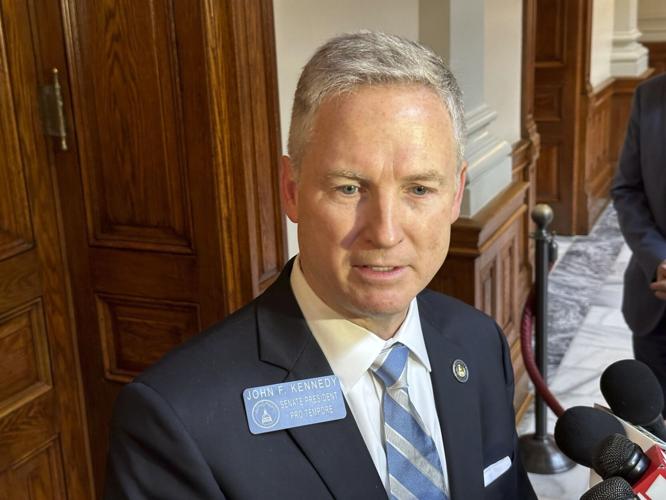
Second, you can make sure that Sen. John Kennedy (R-Macon) knows that while he continues to keep Republican Sen. Colton Moore out of the Republican caucus, and tells people to “respect the judiciary” allowing the prosecution of President Trump to continue, that you expect him to stop playing those political games and for him to do his job by starting to act like an actual Republican by getting S.B. 416 passed, as well as by letting Sen. Moore back into the Republican caucus. (You can see how they kicked him out in past messages.)
Third and finally, engage in this year’s GAGOP convention cycle to ensure our principles are upheld. It’s essential to participate, and we encourage newcomers by offering training in convention procedures and Robert’s Rules of Order.
We need to be involved in order to effectively have the GAGOP put pressure on (and potentially not qualify for office) candidates that fail to live up to Republican principles. While it can be intimidating for newcomers, that’s why it’s important to invite as many Republicans as possible to come, and also make sure to invite them to convention/Roberts Rules of Order training so that they can have an impact. GRA officers have regularly helped host these trainings around the state last year, and will be working to do so again this year.
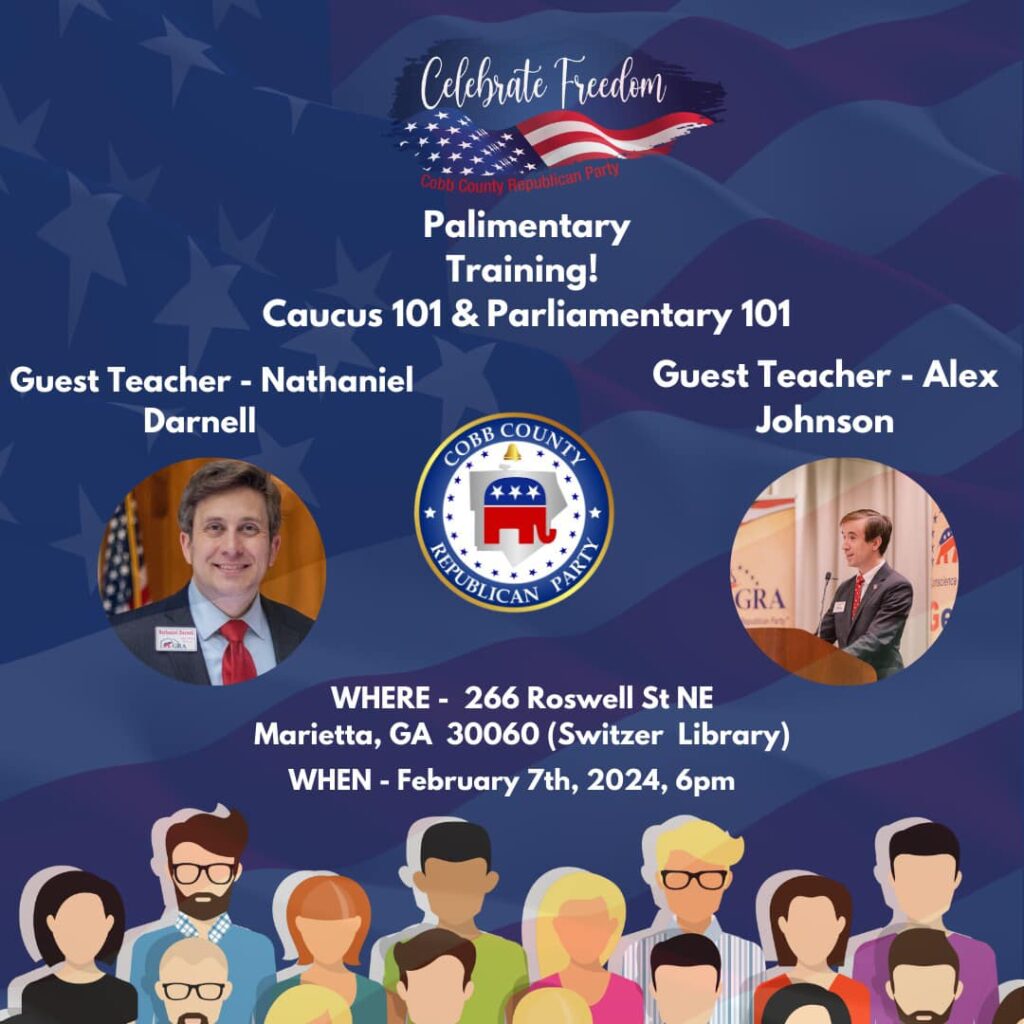
Personally, I will be involved at trainings at two county GOPs in the coming weeks to help get people ready, and you (and other Republicans) are invited. The first was tonight, starting at 7 PM, in DeKalb County. The second will be in Cobb County this Wednesday, February 7th, at 6 PM. Details are here.
If you would like to have any such trainings for your group or local GOP, please let us know.
We must work together. And we must defeat the Establishment. If we fail now, and people get discouraged and are not involved in their county parties or next year’s convention cycle, the opportunity will not come again.
Donald Trump was elected President because people are sick and tired of lying, selfish politicians that sell out the country for their own advancement and the love of their paid political industry/lobbyist friends.
That is why the Democrat DA Fani Willis is prosecuting him and other Republicans in Fulton County, and it’s also why the National Federation of Republican Assemblies has endorsed him for re-election at our October Convention in Orlando, Florida.
It’s also why these Establishment people are refusing to do what’s necessary to end the prosecutions, and kicked out Senator Colton Moore instead of standing behind him to hold Willis accountable. But this isn’t unexpected.
It was just in 2017 that the Georgia GOP elected a lobbyist as party Chairman, who donated to Democrats. Even today, a GAGOP district chairman exists who is a paid lobbyist who had donated money to Democrats. It was only after 2019 that the Georgia GOP instituted a state party platform: throughout much of 2013-2019, the Georgia GOP refused to take a stand on any issue, allowing spineless alleged Republicans to do things like expand Obamacare with impunity, or to raise taxes.
If the branding of Republicanism is this terrible, is it any surprise that we look so weak publicly? As we’ve been pushing for years, if the GAGOP doesn’t maintain its brand, we will lose elections. The Establishment, instead of trying to secure and thereby increase trust in our elections, regularly tries to suppress the election integrity movement.
But there’s good news: the Establishment is losing, and with your help, we’re going to end their control over Georgia elected officials and public policy.
The Accountability Rule is going into operation in local GOP county organizations around the state.
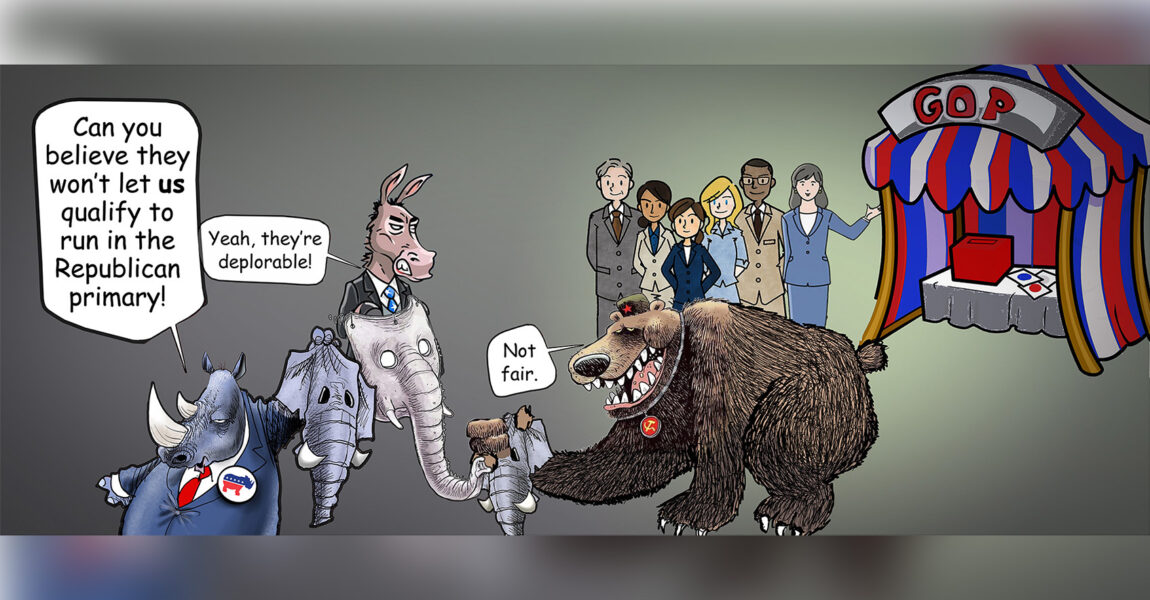
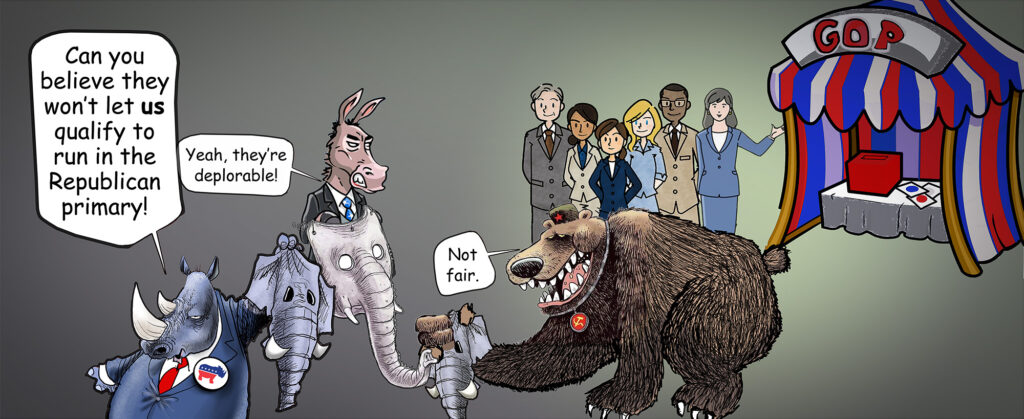
The Establishment doesn’t want you to know this, dislikes it, and, frankly, has probably forgotten about it. They love contested primaries where they can just convince the public that their America-Last, sellout candidates are the “best” by raising and spending millions of dollars from corporate interests. They will never want to prevent figures like Obama, Pelosi, or other actual Democrats from running on the Republican ballot because they benefit financially from such conflicts. They don’t care who wins, as long as they get paid and their clients are happy.
But the grassroots, anti-Establishment people understand the issue: it is virtually impossible to beat people raising $500,000+ for a job that pays $20,000/yr, funded fully by interests looking to make money off the government. People like Liz Cheney and Brad Raffensperger will happily destroy our party’s reputation and brand while ignoring the grassroots.
This ends when the Republican Party, through your involvement, simply votes in the party to not let them run as Republicans.
But the power of the GAGOP, and its local parties, to simply not allow people to qualify for party office who do not meet your very basic standards remained unchanged.
It’s become exceedingly common for politicians to lie to voters in order to stay in office and avoid primary challengers and public criticism.
However, it is rare for politicians, when they know they are caught trying to lie to voters, to double down and simply hope that through their sheer arrogance that somehow they’ll get away with it.
For some reason, this is exactly what they have done, yet now they are indisputably caught doing it.
THE UNVEILING OF TRUTH
In our last message, we pointed out that the Prosecuting Attorneys Qualification Commission made clear through their public statements that they weren’t going to do anything to stop the political prosecutions of previous GAGOP Chairman Shafer, President Donald Trump, or the numerous lawyers and others that are being prosecuted by Fulton DA Fani Willis. In our message before that, we pointed out how the commission could face constitutional problems, and instead of being cowards, those in elected office should have been standing with GRA Endorsed Sen. Colton Moore and Rep. Charlice Byrd to get a special session to defund the prosecutor’s office or impeach her.
Obviously, they failed to do any of that, instead opting to target and attack the people wanting to do something.
Be vigilant: politicians and their staffs have been and are either aware or willing ignorant: they and their staffs either knew this was going to happen, or were intentionally ignoring reality in their quest to be the perfect sycophants to the AJC. How do I know this? Because you just have to look back to see where they were being publicly warned by Sen. Moore and instead of working with an actual leader, they decided to kick him out of the Republican caucus.
And in either event, the people who decided to be dumb or to intentionally lie should all be removed from elected office and replaced with actual Republicans.
A CALL TO ACTION
So, here’s the thing: the fake Republicans can always turn over a new leaf and start acting right. And there’s one very easy litmus test/piece of legislation that is coming up that you can rely on to determine if a “Republican” has any chance of redeeming themselves from cowardice, or if they definitely need to have a primary challenger:
I know this may sound radical to some people, but imagine that the legislature (i.e. the lawmaking branch of government, which is tasked with creating law), which is allegedly controlled by Republicans, actually passing a law that does something good for the state of Georgia. In this case, something that ends politically motivated prosecutions in Fulton County, and the rest of the state.
This is what Sen. Moore is now proposing (link). A change in the law that would immediately end the RICO prosecutions of past GAGOP Chairman David Shafer, President Trump, and all the other people being charged with RICO in Fulton County by radical Democrat DA Willis.
Any politician that is not publicly, enthusiastically, and unashamedly advocating for this (or any similar bill that will almost certainly be proposed to try to avoid it looking like GRA-endorsed Sen. Moore had a good idea and they were cowards for trying to silence him), needs a primary challenger next year.
If we hope to unify and defeat the Democrats in 2024, these people who betray our party and basic common sense principles need to be stopped. Only you can stop them.
As stated before, the so-called “Leadership” who allegedly made this cowardly decision to avoid the ire of their donors and/or Democrat friends need to hear from you. Call them and let them know that not only are you a Republican disappointed in their behavior, but you’re going to find challengers for them and support anyone who runs against them in the Republican primary if they don’t change the RICO law. Please call them all, in addition to your own representatives.
*Sen. John F. Kennedy President Pro Tempore 478-749-9981 404-656-6578 . *Sen. Steve Gooch Majority Leader 404-656-9221 . *Sen. Randy Robertson Majority Whip 404-656-0045 . *Sen. Jason Anavitarte Majority Caucus Chair 404-656-0085 . *Sen. Larry Walker III Majority Caucus Secretary 404-656-0095
JOIN THE MOVEMENT
Finally, apply to join the Georgia Republican Assembly (GRA) and organize with others around the state to have only principled Republicans elected to office, both through your endorsements, as well as by ensuring that the GAGOP is run by principled people that will not allow fake Republicans to run for office as Republicans and is actively working to replace them.
Time is of the essence; act now to safeguard our Republican values. We must stop allowing cowardice and selling out in politics if we want to maintain our brand. By unifying around Republican principles, we can work together to defeat the Democrats.
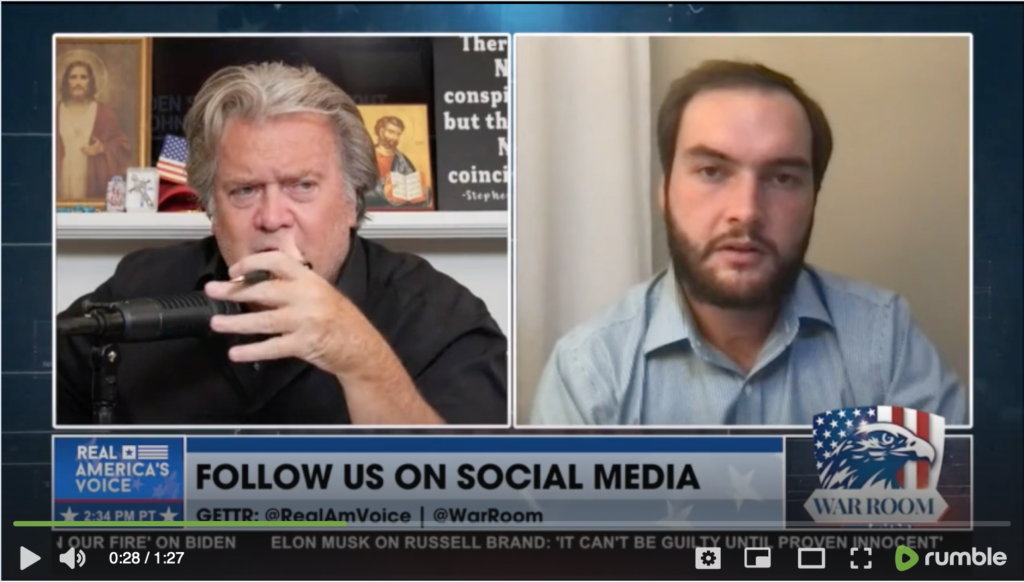
Click to watch the video of Senator Moore’s interview with Steve Bannon yesterday.
A little over a month ago (LINK), we applauded the bravery of GRA-endorsed Senator Colton Moore and others in fighting for accountability. He was leading the charge in response to Fulton DA Fani Willis’s political prosecutions in Fulton County. He was a lone voice in the State Senate pushing for a special session to defund her office, as well as investigate her actions for potential impeachment, a power explicitly given to the legislature by the Georgia Constitution.
Any decent Republican would support this, if not to stop the prosecutions, then to simply draw attention to the corrupt nature of these political prosecutions in Democrat-run Fulton County.
THE BETRAYAL
But instead, alleged Republican “leadership” has apparently become jealous and spiteful of the existance of actual leadership. Despite President Trump’s open support for Colton Moore, and that Senator Moore is the only Senator opposed to “kicking the can down the road” to an unelected commission which may be found unconstitutional and choose to do nothing, they have decided to effectively kick Colton out (“indefinitely suspend”) of the Republican Legislative caucus.
They don’t have the spine to challenge Brad Raffensperger by passing legislation that increases public confidence in our election system.
They don’t have the spine to challenge Democrats, or efforts to expand government power and cronyism in Georgia.
Yet they are willing to effectively defend Democrats that are instituting political prosecutions of Republicans by kicking Republicans out of the caucus?
This is appalling.
Any “Republican” politician not publicly supporting Sen. Moore’s efforts, or decrying “leadership’s” decision, is a coward. Silence is not acceptable in the face of politically motivated prosecutions, and it’s also not acceptable when elected officials are called upon to make a stand on one of their own being intentionally attacked by alleged Republicans.
If we hope to unify and defeat the Democrats in 2024, these people who betray our party and basic common sense principles need to be stopped. Only can you stop them.
THE SOLUTIONS
First, here is a list of so-called “Leadership” who allegedly made this cowardly decision to avoid the ire of their donors and/or Democrat friends. Call them and let them know that not only are you a Republican disappointed in their behavior, but you’re going to find challengers for them and support anyone who runs against them in the Republican primary. Please call them all.
Sen. John F. Kennedy President Pro Tempore 478-749-9981 404-656-6578
Sen. Steve Gooch Majority Leader 404-656-9221
Sen. Randy Robertson Majority Whip 404-656-0045
Sen. Jason Anavitarte Majority Caucus Chair 404-656-0085
Sen. Larry Walker III Majority Caucus Secretary 404-656-0095
Second, contact your own Senator and Representative and let them know that you expect them to make a public statement opposing the removal of Senator Colton Moore from the caucus. They will gladly tell you, in private, that they disagree with “leadership”, but that is only because they are trying to hide behind “leadership” as an excuse. You know who elects “leadership”? They do. And unless they are willing to stand up to “leadership”, they are implicitly supporting the decision to remove Senator Moore. If they refuse to issue a public statement, let them know that you’ll run against them (if you will…hopefully you will), or support any other actual Republican that is willing to take such a stand.
Third, apply to join the Georgia Republican Assembly (GRA), and organize with others around the state to have only principled Republicans elected to office, both through your endorsements, as well as by ensuring that the GAGOP is run by principled people that will not allow fake Republicans to run for office as Republicans and attack principled leaders like Senator Moore.
OTHER BETRAYALS
1. There seems to be an effort to demonize both Fulton County Republican Susan Opraseuth (who was elected, and then un-elected due to GOP Establishment wranglings two years ago: see articles HERE and 2nd HERE for a history), as well as the current GAGOP Leadership by alleged Republicans over a “corporate structure” issue.
This is all counter-productive. The attached e-mail was provided by the GAGOP (the “Alex” referenced in it is not me) that shows the legal counsel for the Secretary of State affirming that the GAGOP is in compliance with state political party law. While there certainly are issues that need to be fixed regarding some historical issues (and the GAGOP has created a committee to address), this e-mail alleviates my concerns regarding the possibility of Republican candidates being excluded from the general election ballot in the foreseeable future.
2. The Forsyth County Republican Party, which had grassroots leadership elected this last year, attempted to have their chosen election board member appointed to the local election board. This was and is currently being thwarted, according to these links by Hank Sullivan. Another case of the GOPe (Establishment) attempting to hold on to power. (Link 1) (Link 2)
3. It is alleged that the Fish Fry hosted by the 8th District GOP (Chairman: Chandler Jones) restricted entry of Republicans, who had already purchased tickets, who were wearing “Paper Please!” (advocating election integrity) shirts until after numerous politicians left the event. While this is perfectly legal, it is interesting that politicians and/or their supporters are trying to marginalize active and engaged Republicans.
We must stop allowing cowardice and selling out in politics if we want to maintain our brand. By unifying around Republican principles, we can work together to defeat the Democrats.
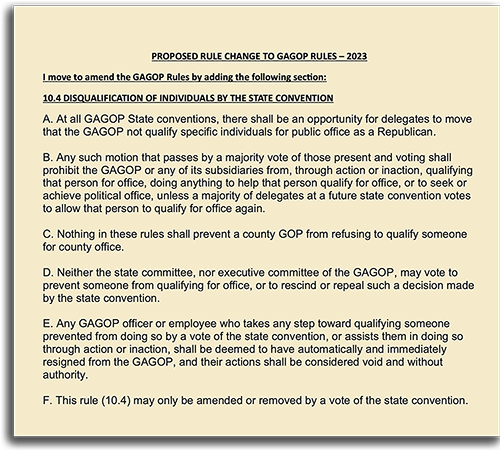
Today, I’m excited to share with you the proposed rules changes (link) (link part 2: discourages lawsuits) submitted to the GAGOP for consideration by Delegates at the State GOP convention. If debated and voted on, these changes will empower you to demand that certain politicians uphold the GAGOP brand and the “Republican” title by standing for what they promised the voters.
Sadly, it’s clear that the GOP Establishment wants to keep you from taking part in leadership. They want you to blindly follow their orders and support whoever pays the media establishment and paid political industry to win a primary, regardless of actions or beliefs. They disdain your opinions and seek to undermine your involvement in the party.
To uncover this hidden agenda, look no further than the following (clickable links provided for more information):
4. The AJC, New York Times, RedState, RawStory, The Daily Beast, and numerous other paid political industry friendly sites have published articles falsely claiming that the proposed rules changes are “radical,” “far-right,” or extreme, despite their mainstream status. These changes don’t focus at all on past elections, but simply demand that politicians be accountable to you in the future.
The paid political industry is afraid of you and your power to make a change, resorting to lies disseminated through their media machine and political industry operatives. They’ll falsely claim the change is exclusionary, despite its result of increased party involvement by empowering convention delegates and not allowing any subsets (such as the state or executive committees, which could be easily swayed with money, jobs, or favors) to have that responsibility. They’ll argue that you can’t prohibit candidates from identifying as Republican, even though other state parties have done so and there’s a U.S. Supreme Court case establishing the right of private organizations like political parties to choose their associates pursuant to the First Amendment.
Now is your chance to make a stand. If you’re content with the status quo, where there’s a 99% incumbent re-election rate and politicians repeatedly lie and fail to enact the Republican platform, let this opportunity slip away. If you want accountability from elected Republican politicians, get involved in the GAGOP, attend the state convention, elect GRA endorsed candidates, and ensure that the proposed rules changes are debated and passed. Demand explicit assurances from GAGOP officer candidates that they will vote for these rules changes to empower you to hold politicians accountable.
Together, we can reshape the political landscape. Thank you for your continued dedication and support!
Bothered by politicians? Frustrated at the lack of accountability of elected officials? Want to help ensure a positive future for the country?
If so, it’s the time of the year again to take responsibility for the future of the Republican Party and help put the country back on track!
The Georgia Republican Party convention cycle is beginning this weekend. If you live in a county with over 80,000 people, this is the first step in the process to elect new party leadership from bottom to top, starting with your local precinct. This Saturday, February 11th, 2023, you have the opportunity to meet other Republicans in your precinct and elect new precinct officers, as well as delegates (including yourself) to the county convention. At the county convention, you elect officers there, as well as delegates to the district and state conventions.
You can read the reasons to be involved in this process from my messages on AdvancetheGOP, and if you look at all the historical messages at the bottom of my emails, you can read about a lot of the history of the GAGOP conventions over the past 10 years. Simply put, this is how you let your preferences be known: Do you want the GAGOP to simply follow weak politicians, or do you want the GAGOP to create accountability and to elect principled people to party and to public office?
You’ve done the work of helping get many of the GRA endorsed candidates from the last message (LINK) elected to public office, despite political “leadership” that lacked principles and didn’t care about you. Now it’s time to ensure the GAGOP is run by likeminded people as well.
You’ll be hearing plenty of promises from candidates for party office over the next few months, but little information about what they’ve actually done. You saw the cheating from two years ago (LINK). You need to show up to stop it from happening again.
Don’t fall for the tricks and deceptions of the paid political industry. There are plenty of people running for party office that falsely, and weakly believe that the GOP and its members only exist to by sycophants to politicians and to blindly support them and not hold them accountable to any sort of principles. There is nothing further from the truth.
The politicians exist to enact Republican principles and to serve the voters. Those running for party office who think otherwise are dooming the GOP to be irrelevant: discouraging participation and any broad based support from the public, due to lack of trust and accountability.
Hesitate to endorse or support anyone until you have all the information. Like last convention cycle (LINK), the GRA will be holding an endorsing convention prior to the State Convention, after receiving vetting report information (this is what we sent two years ago) about each candidate. Wait to hear and see all the real information before choosing who to support for state party office, as that’s what will determine the future of our party for the next two years.
Forward this to your friends. Come to the conventions. Help save and improve the party!
The Georgia Republican Assembly (and Other GOP Supportive Groups): In addition to my involvement in the GOP, I am also the President of the National Federation of Republican Assemblies (NFRA) and the Georgia Republican Assembly (GRA), which is the Georgia chapter of the National Federation of Republican Assemblies. We stand for accountability in politics to the Republican principles that help peoples’ lives. We are specifically targeting and gaining members quickly throughout Georgia (including, most importantly, those who have never previously been involved in politics), and I urge you to consider applying to join (assuming you support what we believe). We have local chapters in many counties throughout the state. This is to empower more Republicans so they will help us strengthen the GOP, grow local GOP chapters, and to ensure that the best candidates are nominated and elected to office (the things the State GOP is currently failing at).
Let’s work together to find ways to make the Republican Party brand strong. Let’s work together to ensure that Republican policies are enacted which, naturally, make our nation strong. Let’s work together to Advance the GOP.
If you want to spread this to others, forward it to your Republican friends and subscribe them to this mailing list. Together, we can all Advance the GOP in Georgia.
Thank you for your leadership in the Republican Party and commitment to its principles.
What is the easiest way to kill a volunteer political organization?
Try to silence the voice of volunteers and refuse to take a stand for accountability of politicians/elected employees.
The Republican Party in Georgia is better equipped to fight than it has been for years. As discussed previously (link) many, many new people have joined the GOP in Georgia to demand accountability and principled candidates for office, and a loud, toxic minority in the GOP , mostly who think that the rest of us should blindly follow their “expertise” are doing whatever they can to stop it.
While there have been a lot of political setbacks for Republicans around the country, it’s been a successful and exciting year so far for the GRA. As you know, this year was a convention cycle for electing party leadership from the precinct level all the way through the State GOP. And as we had asked for, the GRA delivered.
GRA members offered themselves for party office throughout Georgia. Our endorsed candidates for GOP Chairman (David Shafer) and Second Vice Chairman (Brant Frost V) won overwhelmingly at the GAGOP State Convention. Other GRA members ran strong statewide campaigns, showing the depth and strength of the GRA.
The GRA assisted in training people newly involved in politics how to be involved on the local level, leading to many successes throughout the state. GRA members were elected as county and district GOP chairmen throughout the state, including but not limited to Ron Hooper in Banks County, Salleigh Grubbs in Cobb County, Marci McCarthy in DeKalb County, and Joanna Hildreth in Catoosa County. Denise Burns was elected as 14th District Chairman, GRA Treasurer Nathan Porter was elected as Sixth District Chairman, and many others were elected to the GOP State Committee.
Even with these victories, we have much room for growth and improvement in the GRA. We need to stay razor focused on getting our endorsed candidates elected into party and public office. And this requires help from all of our members in volunteering to help educate, engage, and recruit more members as well as spreading the word about the GRA by talking throughout your communities and wearing your GRA name badges. If you wish to volunteer to help with any of our initiatives, please reply and let us know.
I look forward to continuing to work with you in standing for principled Republicanism and restoring the Republican brand.